Stay ahead of Google — for free
Once a week, straight to your inbox: the newest article + one concrete tip to improve your own visibility in search and AI. No sales pitch, no spam.
Social media vs. website: which should you invest in first?
Social media or a website, which should a small business invest in first when money is tight? An honest comparison of what each one actually does for you.
WhatsApp Business Profile and Google Local Search — Why Small Businesses Should Use Both
A WhatsApp Business profile paired with a well-kept Google Business Profile makes it easy for customers to reach you. Here's how they work together.
How to Measure Your Own AI Visibility, Tools and Methods Without Paid Subscriptions
Measure your AI visibility yourself: which questions to test, which services to check, and how to track change over time without a paid tool.
Solo Entrepreneur's 2-Hour Weekly Marketing Routine
A concrete 2-hour weekly marketing routine for solo entrepreneurs: what to do, in what order, and why it's enough when time is tight.
Does Your Website Have Too Many or Too Few Pages?
Many small business sites end up with too many pages or too few. Here's a practical guide to how many pages a business actually needs.
Small Business vs. Big Brand in AI Search
A big ad budget does not buy a spot in an AI answer the way it buys placement in paid search. Here is how a small, precisely described business can outrank a big brand.
Email Marketing Comeback 2026, Why a Newsletter Beats Social Media for a Solo Business Owner
Why a newsletter beats social media for a solo business owner in 2026: you own the list, no algorithm in the way, and it fits your actual time budget.
Why a Slow Website Drives Customers Away — Core Web Vitals in Plain English
Core Web Vitals in plain English: why page speed affects customers and rankings, and why static websites are fast by default without extra tuning.
About Page Optimization for AI Answers
The About page is often the most neglected part of a site, but AI reads it closely to understand who you are, what you do, and where you operate. Here is how to rewrite it.
3 Automation Examples That Save Business Owners Time
Lead follow-up, review requests, and invoice reminders — three concrete automations that run themselves so nothing slips through the cracks.
Questions Customers Ask AI Before Buying
What customers actually ask ChatGPT and Perplexity before buying — and how your Google Business Profile's Q&A section answers on your behalf.
AI and Local SEO in 2026 — What Every Business Owner Needs to Know
AI and local SEO have merged into one question in 2026. Here's the full picture and the right next step, gathered on one page.
Google Business Profile Optimization: Fiverr or a Local Expert?
Should you optimize your Google Business Profile through Fiverr or a direct, accountable provider? How to tell a reliable provider from a risky one.
On Summer Vacation, Your Customers Search for You on Google — Is Your Profile Ready?
In summer, people search for services while traveling more than any other time of year. Here's how to make sure your Google Business Profile is ready.
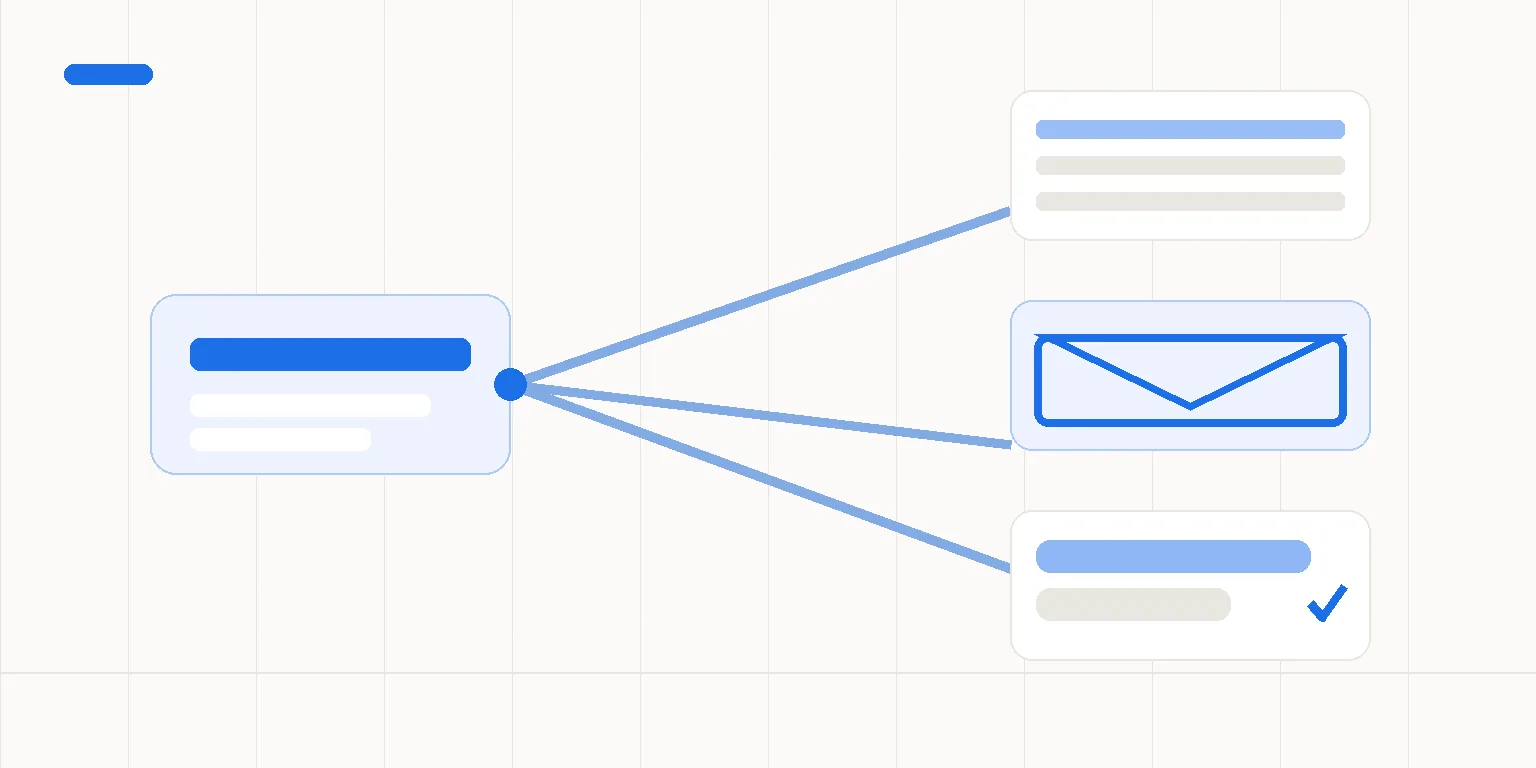
n8n Automation for Business: What Can It Actually Do?
n8n automation connects your tools and handles repetitive tasks for you. Here's how it actually works in practice — concrete examples for business owners.
How Often Should You Update Your Google Business Profile?
How often you update your Google Business Profile directly affects visibility in Google and AI. Here's the ideal update rhythm — and why it matters.

Business automation benefits — where do your hours actually go?
Automation is not big-company tech — it is your time back: routines run themselves and nothing gets forgotten. Five real everyday examples.

Google Business Profile optimization — 7 tips that bring in customers
A Google Business Profile is a free salesperson working around the clock. Seven concrete tips that turn the profile into a source of customers.

Managed SEO service — what it means and when it pays off
A managed SEO service means someone else keeps your visibility in shape month after month. What it includes, what it costs — and what AI search changed.

AI Search Ranking Factors 2026 — How ChatGPT, Perplexity & Gemini Rank Answers
Google has over 200 ranking factors. AI has different rules. Here's how ChatGPT, Perplexity and Gemini decide what to show — and how to get your business into their answers.

DIY SEO or Hire an Agency — Which Makes Sense for a Small Business in 2026?
Should a small business owner do SEO themselves or hire an agency? A practical comparison of cost, time, and results — and when to switch from one to the other.

AI Visibility vs. Traditional SEO — Why Your Business Needs Both
AI visibility and traditional SEO are not the same thing. Understand the differences and nail both — or your customers will find your competitors instead.

Why Your Website Is Invisible in AI — 5 Most Common Reasons
Your site ranks on Google, but ChatGPT doesn't mention you. Here are five common reasons why AI can't find your business — and how to fix them.

Google AI Mode and Local Search — What Every Business Owner Needs to Know
Google's AI Mode is changing local search. Here's how it works and how to make sure your business shows up when customers ask for recommendations.

Generative Engine Optimization (GEO) — A Beginner's Guide
GEO is the new way to optimize content for AI-powered search. Here's what it means, how it differs from traditional SEO, and how to get started.

AI competitor analysis — why customers find your competitors instead of you
How to find out which competitors show up in AI answers, what you can learn from them, and how to close the gap. A practical guide to AI visibility.

Static vs. WordPress websites — which is better for a small business?
Static websites vs. WordPress: speed, security, maintenance and cost compared. Plus AI visibility — which works better in 2026?

Google AI Overviews — what every business owner needs to know in 2026
Google's AI Overviews are changing how customers find your business. Here's what they are, why they matter, and how to make sure you show up in them.

What to do when your website isn't getting customers?
You paid for a good-looking website — but nobody's calling. Here are the most common reasons why and how to fix them without building a new site.

How to appear in Google AI Overviews
Google AI Overviews are changing search. If your business isn't in the answer, the customer never sees you. Six practical things you can do.

Google Business Profile: 7 common mistakes
Your Google Business Profile is often the first thing a customer — and AI — sees about your business. These 7 common mistakes keep customers away, and here's how to fix them.

What is an AI visibility report and why does it matter?
The report shows whether your business appears in ChatGPT, Perplexity and Gemini answers, which competitors show instead, and what to fix. Here's how it works.

How does your business get found on ChatGPT and Perplexity?
A practical guide: how your business starts showing up in ChatGPT and Perplexity answers. Where AI gets its information and what you can do this week.

When your customers ask AI, does your business show up?
More and more people search for services straight from ChatGPT, Perplexity and Google AI. If your business isn't named in the answer, the customer never sees you. Here's how to fix it.
Rather run your business than read about all this?
That is what the Growth Partner is for. I do the work — you read the monthly report.