ROI Calculator: When Does Automation Pay for Itself
A simple formula that shows in a couple of minutes how fast automation pays for itself, no accountant or complicated spreadsheet required.
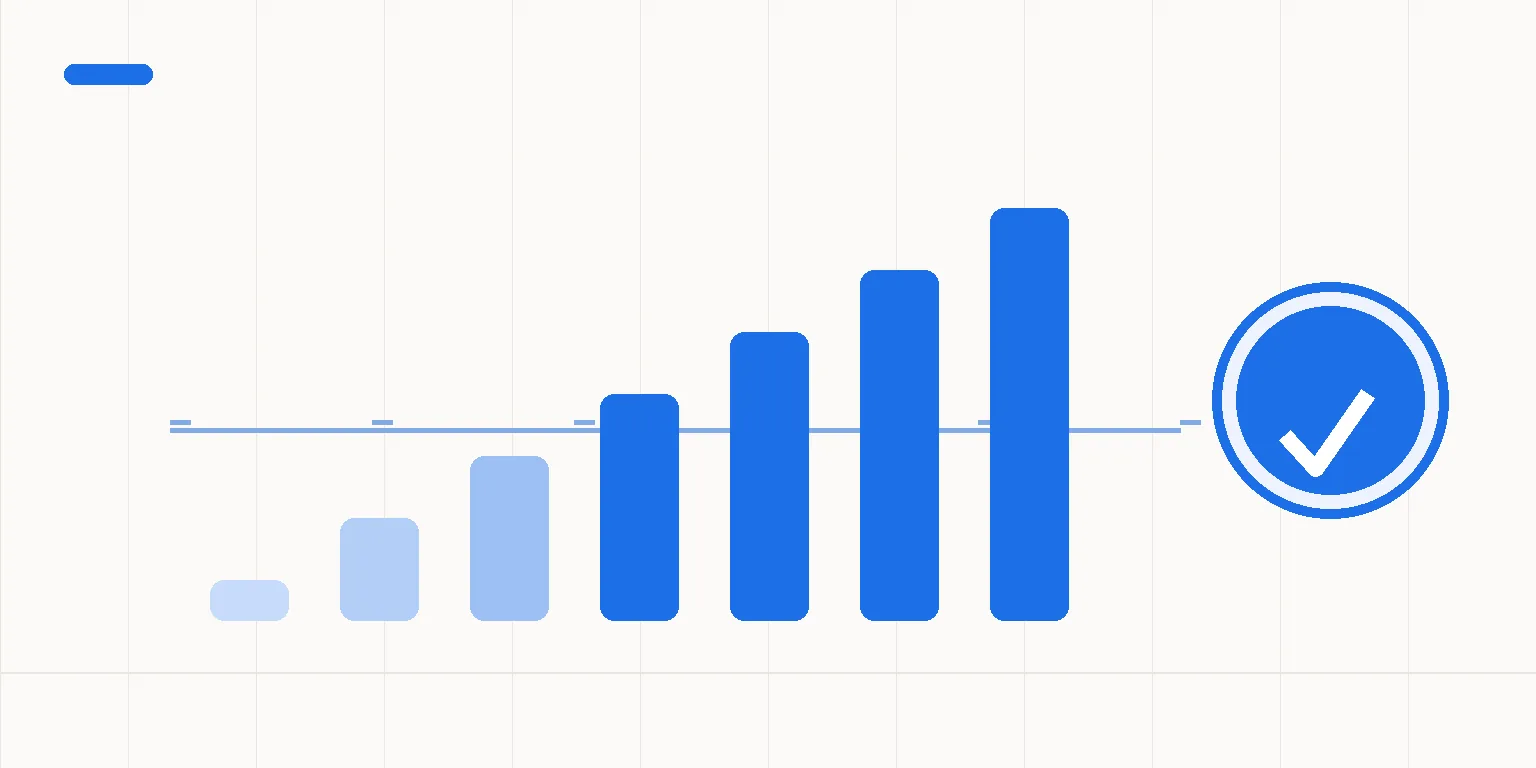
Automation pays for itself in the time given by cost ÷ weekly saving in currency. If an automation costs €600 and saves 3 hours a week at a €40/hour value, that's €120 a week, so payback takes 5 weeks. After that, every week is pure gain.
Many owners never run the numbers because the price looks like a big one-time hit and the saving is hard to picture in advance. The math is actually simpler than it sounds once you know which three numbers you need.
What does the formula need?
Three numbers are enough: the automation's cost, how many hours a week it saves, and what your own hour is worth in currency. That last one isn't a salary figure, it's what you'd otherwise do with that time, like billing client work or finding new customers.
A hypothetical worked example
Note: the numbers below are hypothetical, not a real client's case. Picture an owner whose time is worth €40/hour. An automation that handles invoice reminders and lead follow-up costs €600 and saves 3 hours a week. The weekly saving is 3 × €40 = €120. Payback time is €600 ÷ €120 = 5 weeks. Over a year the saving reaches €120 × 52 weeks = €6,240, against a one-time cost of €600.
What if the saving is smaller?
If that same automation only saved 1 hour a week, the weekly saving would be €40 and payback would stretch to 15 weeks. At that point it's worth checking whether the automation's scope could grow to cover more than one repeating task at once, since price usually doesn't rise in the same proportion as the saving.
When is payback time too long?
As a rule of thumb, under two months is clearly worth it, two to six months is still reasonable if the task keeps recurring for years, and anything longer is worth questioning: is the task really repetitive enough, or should the money go somewhere else first.
- work out the automation's cost in currency
- estimate hours saved per week realistically, not optimistically
- multiply the hours by the currency value of your own time
- divide the cost by the weekly saving, the result is payback time in weeks
Payback time isn't a guess, it's one division, as long as the numbers going in are honest.
Summary: run the number before you decide
Before you dismiss automation as too expensive or say yes too eagerly, run this one division. It turns the decision from a gut feeling into a number, and a number is much easier to justify to yourself or a business partner.
Want the math run for your situation?
Tell me which task eats the most time, and I'll give you a realistic estimate of both the saving and the payback time before anything gets built.
See how automations work →